Our Aim
Multiple sclerosis is a disease affecting the central nervous system where the immune system is involved in its pathogenesis. Both the nervous and immune system represent the most daunting example of complexity in biology. Despite considerable research efforts, the knowledge and understanding of the interaction between these two complex systems and the cause of multiple sclerosis is still unknown. Gene expression analysis on bulk populations of immune cells and bulk tissue have been heretofore performed in attend to delineate the transcriptome changes in the disease. Nonetheless, in this type of analysis the differences in gene expression and variability between the different players (single cells) involved in this complex disease will remain masked.
Our Approach
The rapid development of single-cell analysis has revolutionized our ability to study the complexity of both the immune and nervous system at the single cell level. Individual cells are now classified by their transcriptome rather than by expression of classical cell type markers. Using state-of-the-art single-cell genomics methods, such as single-cell RNA sequencing (scRNA-seq), we identify, until now, unknown cell phenotypes and cell-cell interactions making use of unbiased bioinformatics methods. Overall, this allows us to gain deeper insights into the complexity of multiple sclerosis, as well as other complex neuroimmunological diseases.
2025
de la Rosa, C*., Kendirli, A*§., Baygün, S., Bauernschmitt, F., Thomann, A. S., Kisioglu, I., Beckmann, D., Carpentier Solorio, Y., Pfaffenstaller, V., Tai, Y. H., Mehraein, N., Sanchez, P., Spieth, L., Gerdes, L. A., Beltran, E., Dornmair, K., Simons, M., Peters, A., Schmidt-Supprian, M., & Kerschensteiner, M§. (2025). In vivo CRISPR screen reveals regulation of macrophage states in neuroinflammation. Nature Neuroscience, 10.1038/s41593-025-02151-6.
Narasimhan, H., Richter, M. L., Shakiba, R., Papaioannou, N. E., Stehle, C., Ravi Rengarajan, K., Ulmert, I., Kendirli, A., de la Rosa, C., Kuo, P. Y., Altman, A., Münch, P., Mahboubi, S., Küntzel, V., Sayed, A., Stange, E. L., Pes, J., Ulezko Antonova, A., Pereira, C. F., Klein, L., … Schraml, B. U. (2025). RORγt-expressing dendritic cells are functionally versatile and evolutionarily conserved antigen-presenting cells. Proceedings of the National Academy of Sciences of the United States of America, 122(9), e2417308122. https://doi.org/10.1073/pnas.2417308122
2023
Kendirli A*., de la Rosa, C*., Lämmle K.F*., Eglseer K., Bauer I.J., Kavaka V., Winklmeier S., Zhuo L., Wichmann C., Gerdes L.A., Kupfer T., Dornmair K., Beltrán E., Kerschensteiner M., Kawakami N. (2023). A genome-wide in vivo CRISPR screen identifies essential regulators of T cell migration to the CNS in a multiple sclerosis model. Nature Neuroscience. 26, 1713–1725. doi.org/10.1038/s41593-023-01432-2
Tai YH., Engels D., Locatelli G., Emmanouilidis I., Fecher C., Theodorou D., Müller SA., Licht-Mayer S., Kreutzfeldt M., Wagner I., de Mello N.P., Gkotzamani S.N., Trovò L., Kendirli A., Aljović A., Breckwoldt MO., Naumann R., Bareyre FM., Perocchi F., Mahad D., Merkler D., Lichtenthaler SF., Kerschensteiner M., Misgeld T. (2023). Targeting the TCA cycle can ameliorate widespread axonal energy deficiency in neuroinflammatory lesions. Nature Metabolism. 5, 1364–1381 doi.org/10.1038/s42255-023-00838-3
Aljović A., Jacobi A., Marcantoni M., Kagerer F., Loy K., Kendirli A., Bräutigam J., Fabbio L., Steenbergen V.V., Pleśniar K., Kerschensteiner M., Bareyre FM. (2023). Synaptogenic gene therapy with FGF22 improves circuit plasticity and functional recovery following spinal cord injury. EMBO Molecular Medicine. 15(2). doi:10.15252/emmm.202216111
2018
Locatelli G., Theodorou D., Kendirli A., Jordao M. J. C., Staszewski O., Phulphagar K., Cantuti-Castelvetri L., Dagkalis A., Bessis A., Simons M., Meissner F., Prinz M., Kerschensteiner, M. (2018). Mononuclear phagocytes locally specify and adapt their phenotype in a multiple sclerosis model. Nature Neuroscience. 21(9), 1196-1208. doi:10.1038/s41593-018-0212-3
2017
Wang T., Yu H., Hughes N.W., Liu B., Kendirli A., Klein K., Chen W.W., Lander E.S., Sabatini D.M. (2017). Gene essentiality profiling reveals gene networks and synthetic lethal interactions with oncogenic Ras. Cell. 168(5), 890-903.e815. doi: 10.1016/j.cell.2017.01.013
* equal contribution § Co-corresponding author
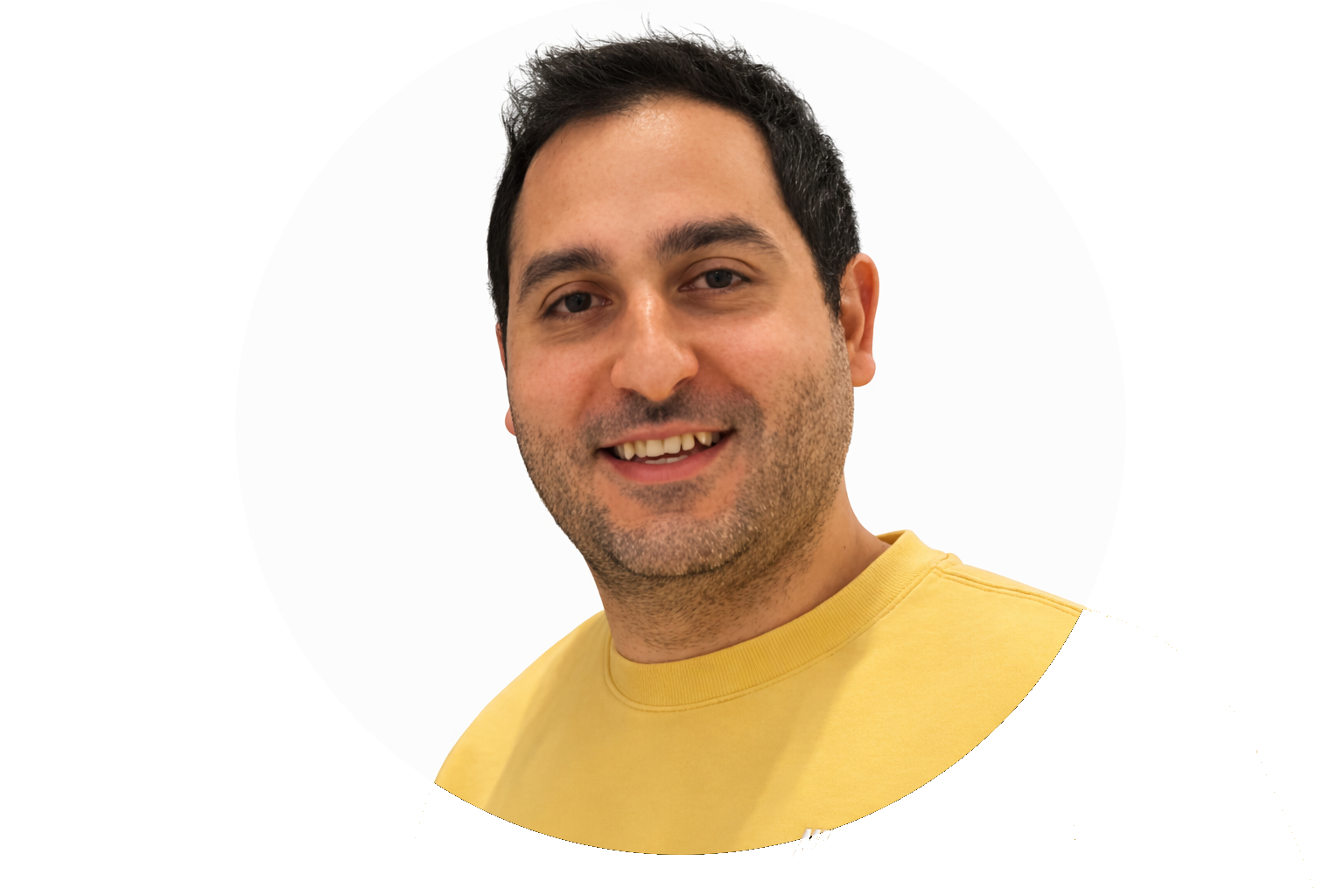
Dr Arek Kendirli, Hub Coordinator
I studied Biology at Middle East Technical University (METU). During my bachelor's, I worked in Kocer's lab at the University of Groningen and Lemaitre's lab at École polytechnique fédérale de Lausanne (EPFL). Then I moved to Germany for my master's degree in cancer biology at the German Cancer Research Center (DKFZ) the University of Heidelberg. During my master's, I worked in Lander's lab at Broad Institute of MIT and Harvard and in Boutros' lab at DKFZ. For my Ph.D., I joined the Kerschensteiner's lab to apply loss-of-function CRISPR screens in immune cells in the concept of multiple sclerosis. I am currently continuing my work on CRISPR-based approaches in MS research and serve as the coordinator of the single-cell genomics lab within the Munich Cluster for Systems Neurology (SyNergy). I would say the most efficient sgRNA is the one that hasn't been designed yet. Outside the lab, playing football and playing cajón are my favorite activities.
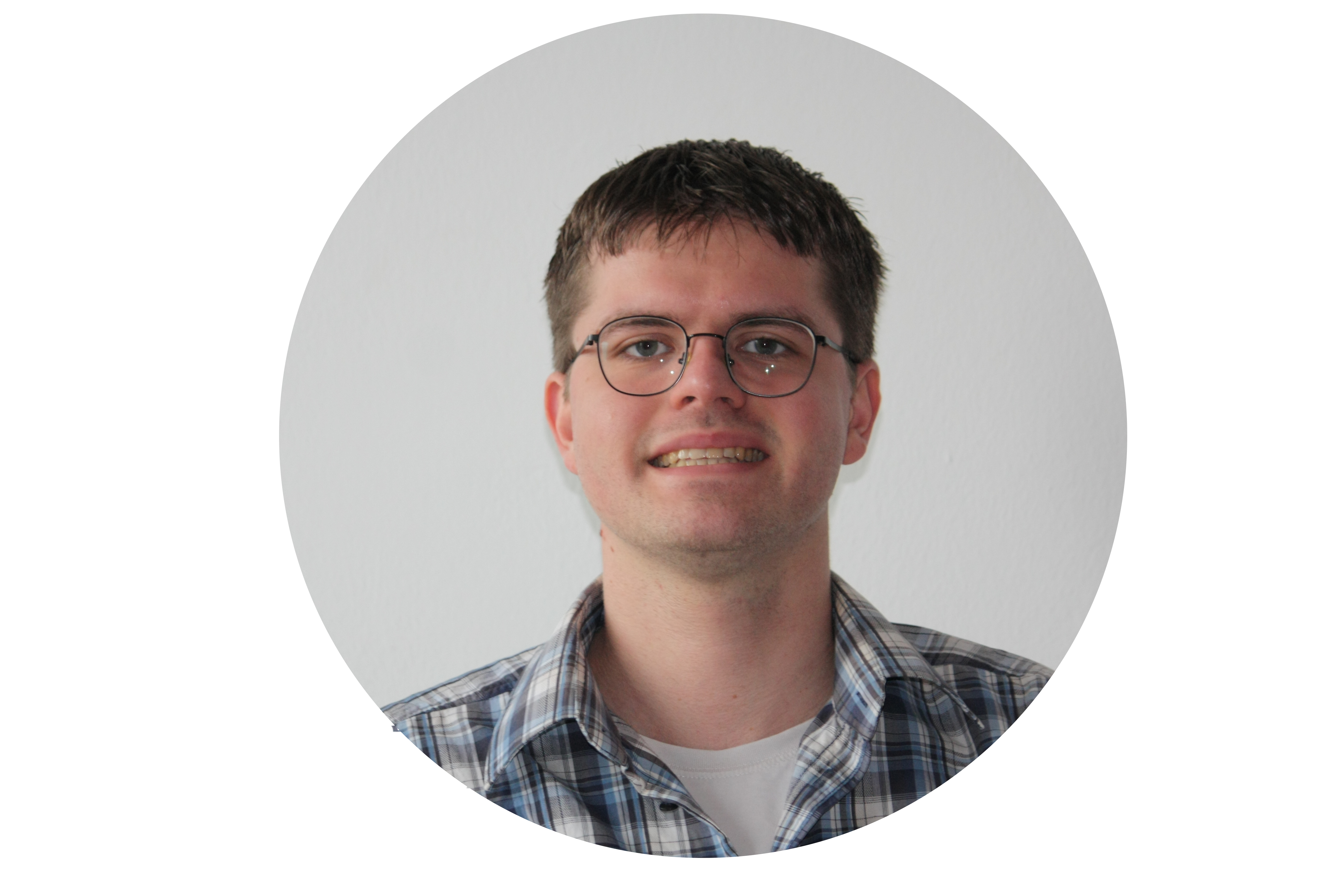
Dr Franz Bauernschmitt, Bioinformation
I was born and raised in Karlsruhe and studied Medicine and Computer Science at LMU Munich. I completed my medical thesis at LMU, where I investigated the genetic basis of vertigo through the functional analysis of GWAS data. Since 2022, I have been working at the institute as a postdoctoral researcher, focusing on bioinformatic analyses with an emphasis on single-cell RNA sequencing, as well as ATAC-seq and multi-omics approaches. My work aims to better understand complex biological systems by integrating diverse high-throughput datasets. Outside the lab, I enjoy reading and hiking.
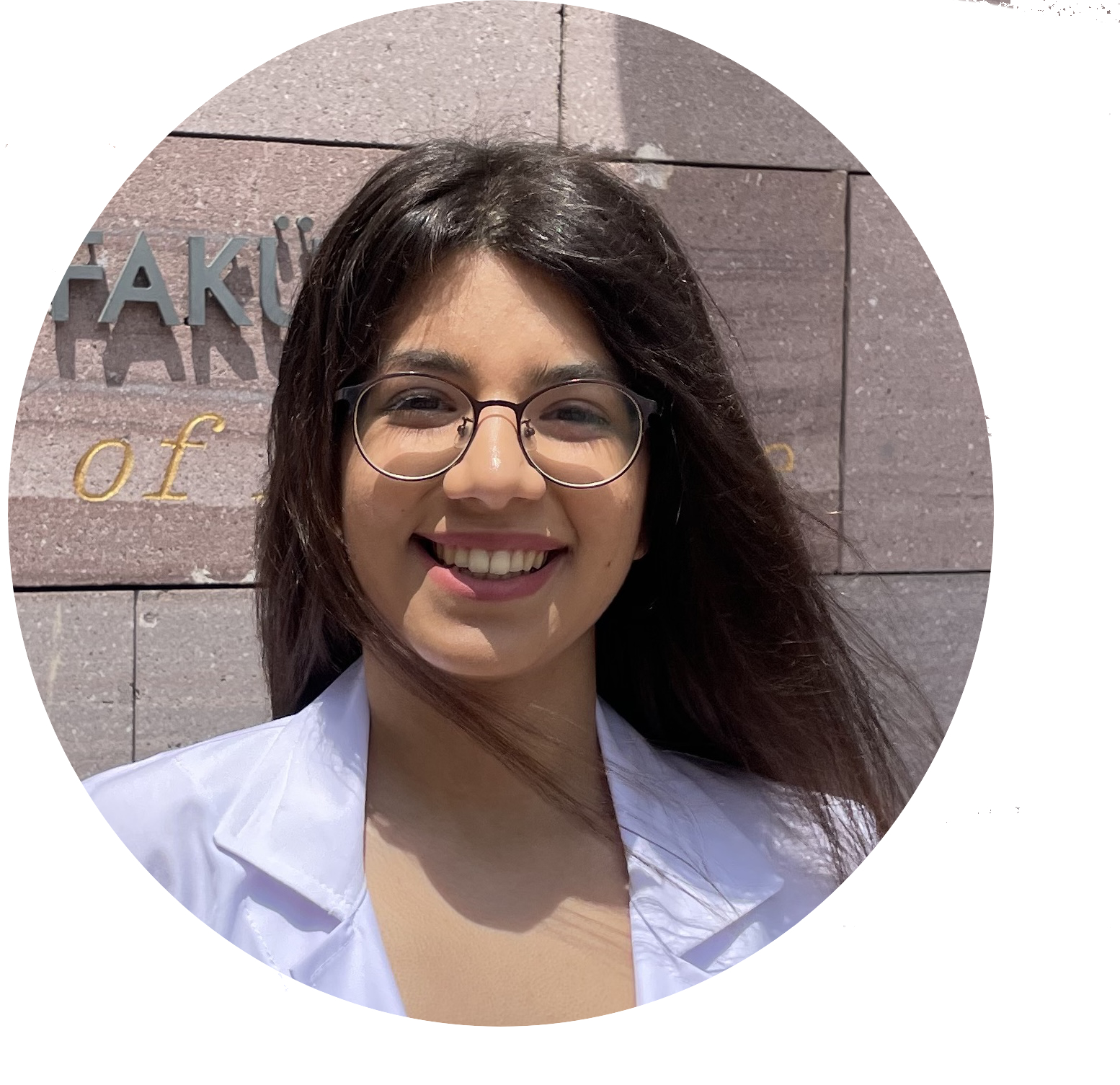
Selen Ünlü, MD-PhD Student
I am an MD-PhD student at Koç University School of Medicine in Istanbul, Turkey. I first joined the institute of clinical neuroimmunology for a three-month research stay supported by an EFIS-IL fellowship and have now returned for a one-year visit funded by a DAAD scholarship. My research focuses on investigating B- and T-cell interactions in multiple sclerosis using CRISPR-based approaches. When I am not in the lab, I enjoy reading and exploring Munich.
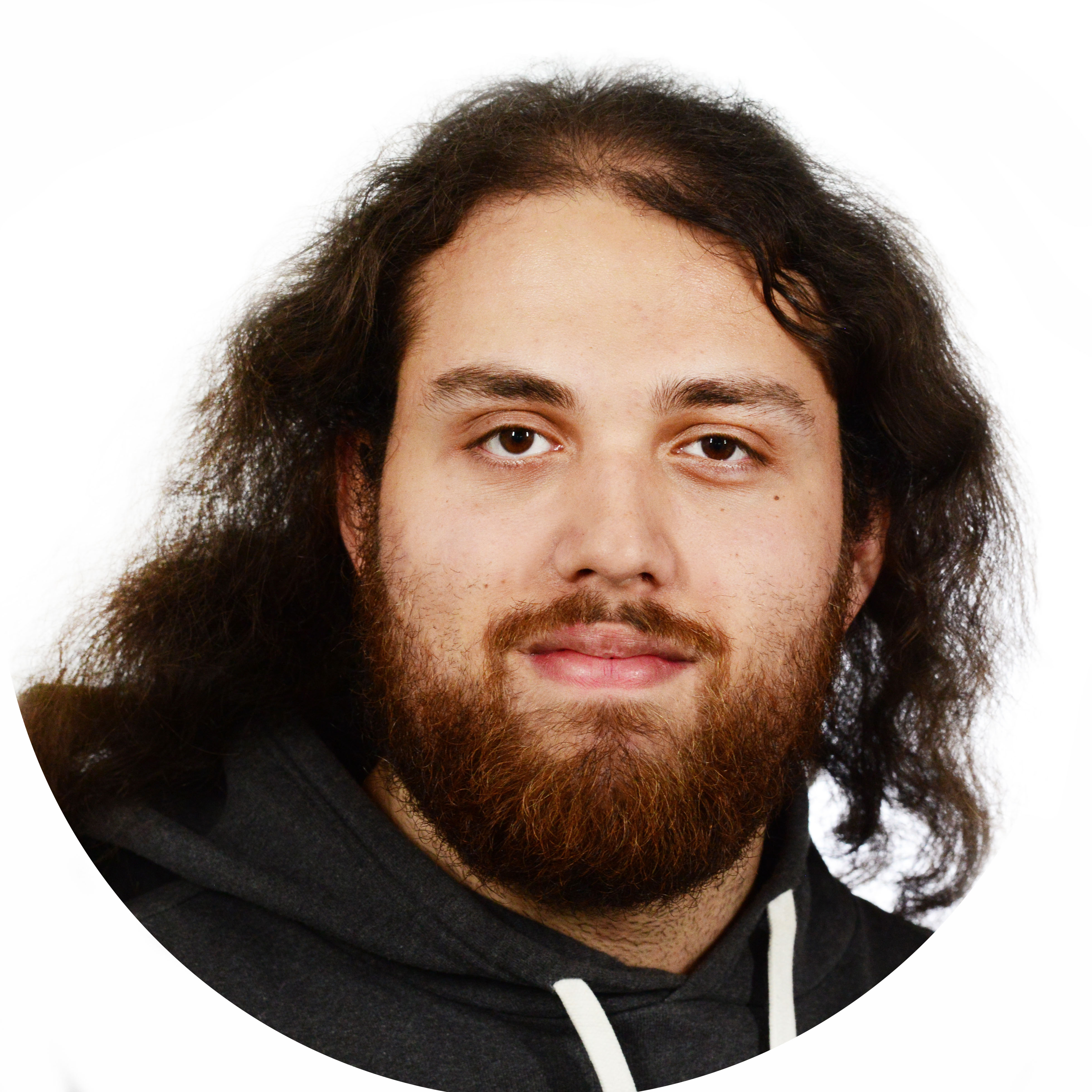
Tomal Matt, Technical Assistant
Born in Munich, I decided to do an apprenticeship as a Biology Laboratory Technician at the TUM Institute of Pathology in the field of Neuropathology, which introduced me to the field of Neuroscience. Wanting to stay in the field after finishing my apprenticeship, I applied for a Technical Assistant position at PD Dr. Bareyre's lab. Outside of the lab, I love to spend time with friends, explore new places, and travel whenever possible. I enjoy hiking, biking, and spending time in nature, whether it's at nearby parks or on longer trips to the mountains or lakes. I also enjoy trying out new restaurants and cuisines, cooking at home with friends, reading books, and watching movies.
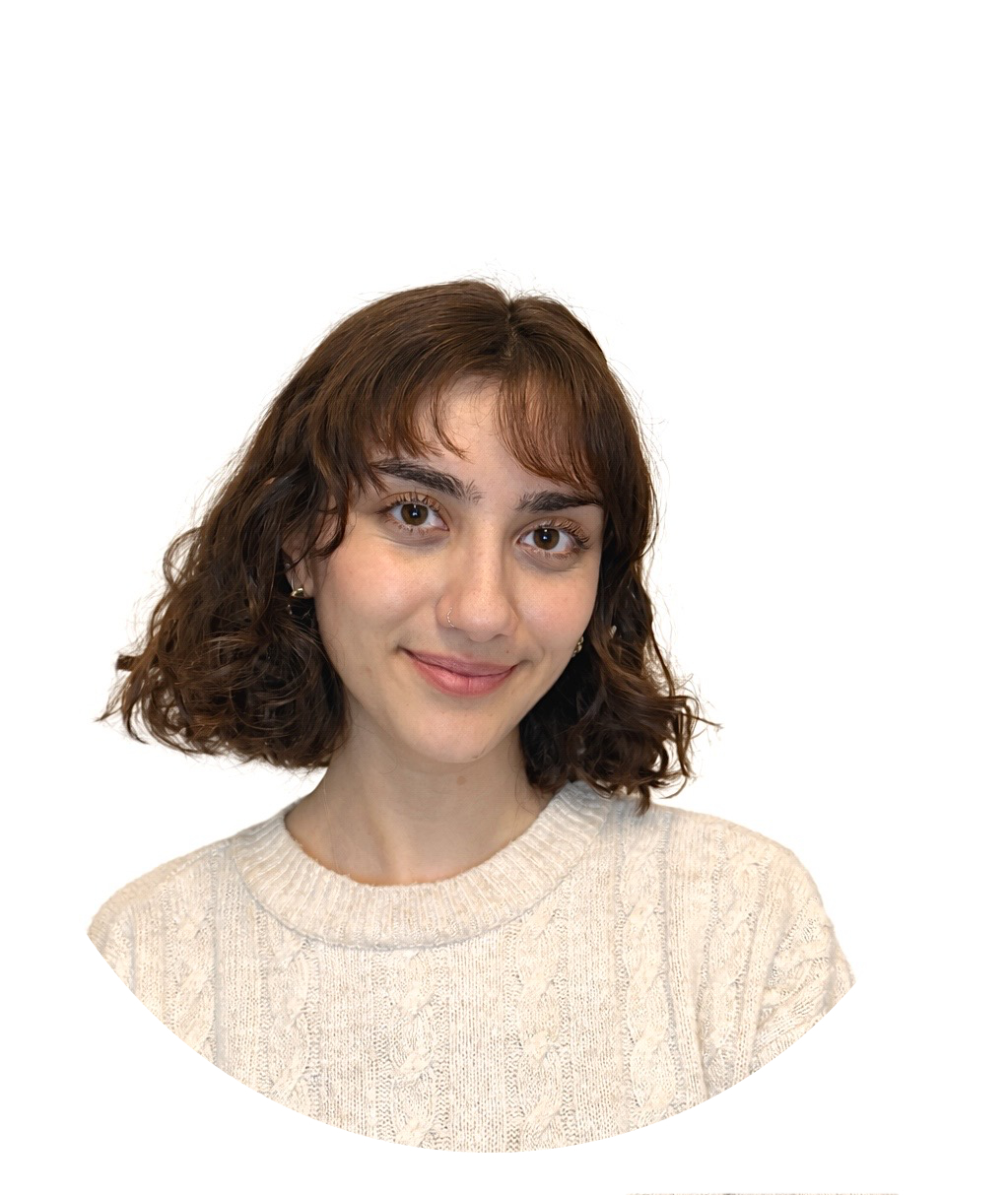
Sila Kara, Master student
After completing my bachelor’s degree in Molecular Biology and Genetics at Bilkent University in Turkey, I moved to Munich to pursue my master’s studies. I am currently enrolled in the Master Human Biology program at LMU. During my studies, I joined the the institute of clinical neuroimmunology as an intern, where I began working on B–T cell trogocytosis. I am now continuing this project as part of my master’s thesis, utilizing CRISPR-Cas9 knockouts to better understand the mechanisms underlying trogocytosis. If I am not in the lab, I am probably painting, crocheting, or exploring new cafés around the city!
We gratefully acknowledge support for our work by the following agencies:

Munich Cluster for Systems Neurology (SyNergy)
Dr. Arek Kendirli
Arek.Kendirli@med.uni-muenchen.de
Supported by: